
Alzheimer's & Brain Awareness: Memory Care at Home
June is Alzheimer's & Brain Awareness Month. With 6 million Americans living with Alzheimer's, understanding dementia care has never been more important. Learn how specialized home care supports memory and keeps loved ones safe.
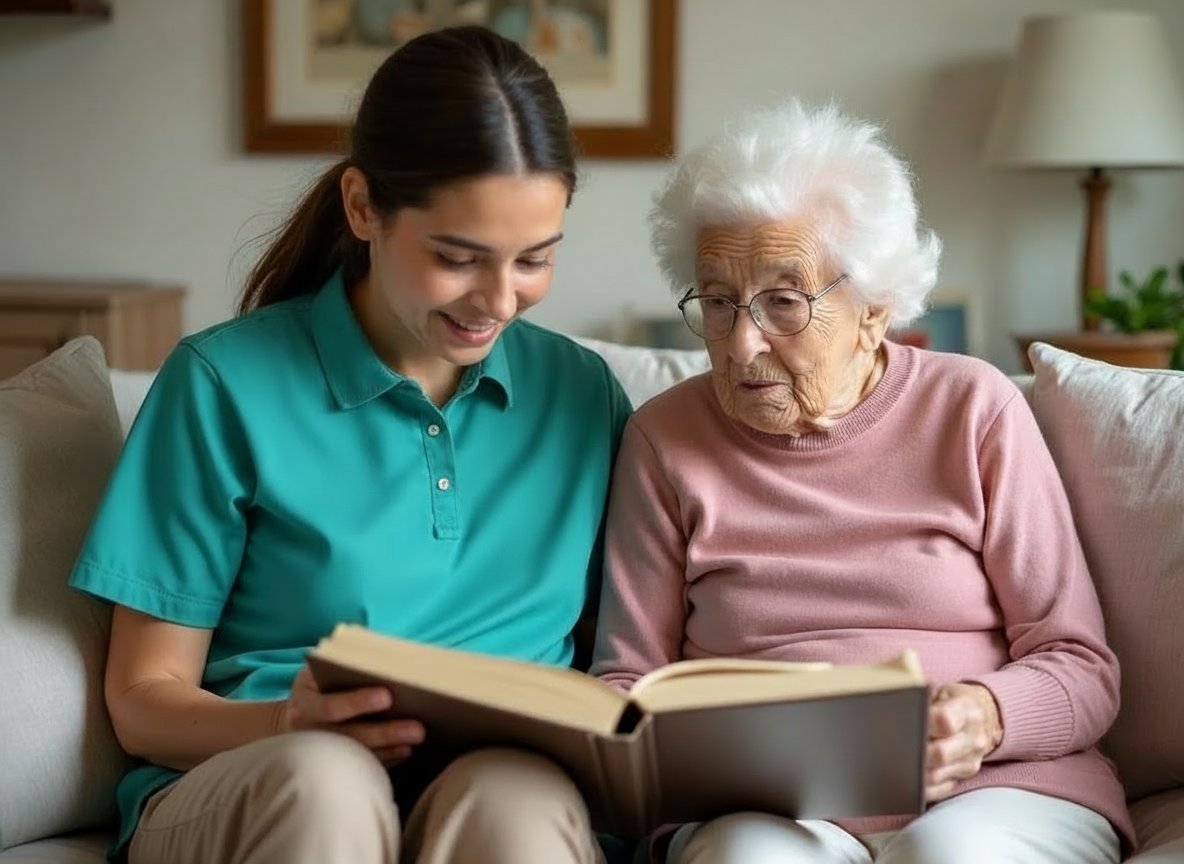
Understanding Alzheimer's Impact
Alzheimer's affects millions of families—awareness and proper care make a real difference.
Americans living with Alzheimer's disease
Source: ALZSeniors die with Alzheimer's or dementia
Source: CDCUnpaid dementia caregivers in the US
Source: ALZOf dementia care happens at home
Source: NIAWhat Southeast Michigan Families Should Know About Memory Care
Michigan is home to more than 190,000 people living with Alzheimer's disease, and that number is projected to reach 220,000 by 2030 according to the Alzheimer's Association's Michigan chapter. In Oakland County alone, the senior population has grown by 28% in the last decade, placing enormous demand on memory care resources. The University of Michigan's Memory & Aging Project—one of the nation's leading dementia research programs—has shown that early intervention and consistent daily routines can slow cognitive decline by up to 30% in some patients.
What many families in the Bloomfield Hills, Troy, and Rochester Hills area discover is that their loved one's familiar home environment can actually be a powerful therapeutic tool. The sights, sounds, and smells of a lifelong home trigger deep memories that institutional settings simply cannot replicate. We've worked with families whose parent could still navigate their own kitchen long after they struggled to find their room in a memory care facility. That's the power of aging in place with trained support.
Local resources like the Alzheimer's Association Greater Michigan Chapter, the Area Agency on Aging 1-B, and the Michigan Dementia Coalition offer support groups, education, and respite programs specifically for Southeast Michigan families. We encourage every family navigating a dementia diagnosis to connect with these organizations—and to remember that asking for help is a sign of strength, not failure.
Warning Signs of Dementia
Early recognition leads to earlier intervention and better planning.
Memory & Thinking Signs
- •Forgetting recently learned information
- •Asking the same questions repeatedly
- •Difficulty following conversations
- •Losing track of dates or seasons
- •Trouble with familiar tasks
Behavioral Changes
- •Personality or mood shifts
- •Withdrawal from social activities
- •Poor judgment or decision-making
- •Misplacing items in odd places
- •Suspicion of others
Safety Concerns
- •Wandering or getting lost
- •Leaving appliances on
- •Difficulty managing medications
- •Neglecting personal hygiene
- •Trouble recognizing danger
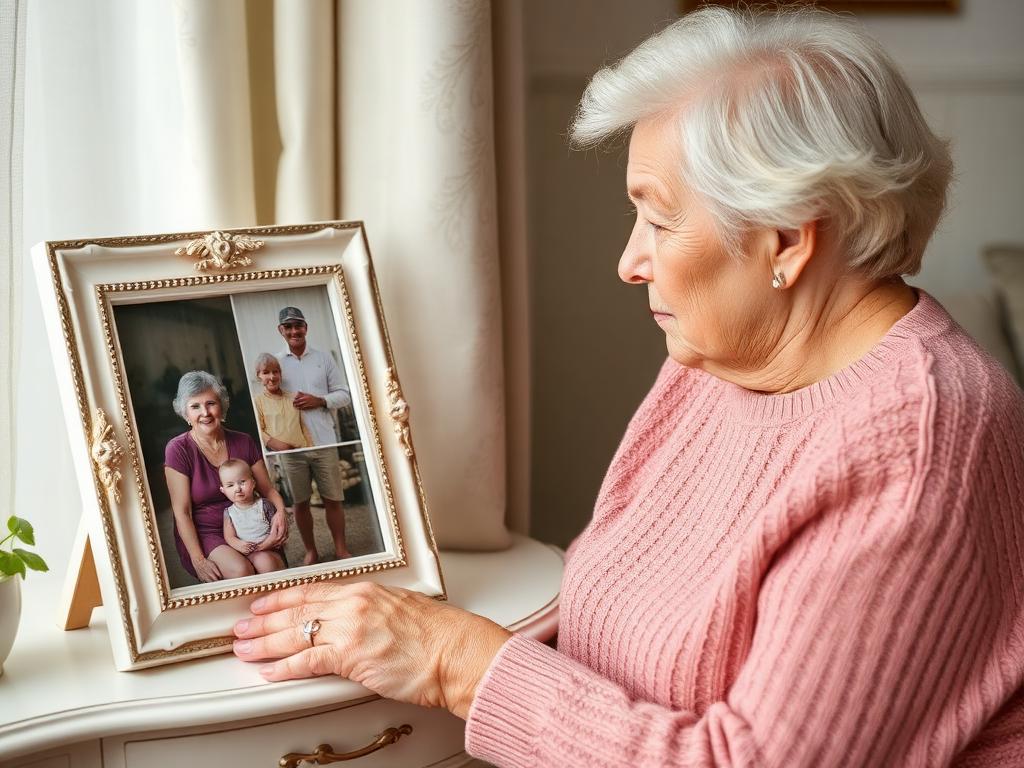
How Home Care Supports Memory Care
Specialized dementia caregivers provide the patience, consistency, and expertise needed.
Our trained memory care professionals understand the unique challenges of dementia and create safe, engaging environments that preserve dignity and quality of life.
Consistent Routines
Familiar daily routines reduce confusion and anxiety, providing stability for memory care clients.
Safety Monitoring
Caregivers prevent wandering, monitor for unsafe behaviors, and ensure a secure home environment.
Cognitive Engagement
Meaningful activities, reminiscence therapy, and brain-stimulating exercises support cognitive function.
Compassionate Communication
Patient, kind communication adapted to each person's abilities reduces frustration and maintains dignity.
Familiar Environment
Staying home among familiar surroundings often reduces confusion compared to institutional settings.
Family Support
We educate and support families, providing respite and guidance through the dementia journey.
Tips for Caring for Someone with Dementia

Frequently Asked Questions
What's the difference between Alzheimer's and dementia?
+
Dementia is an umbrella term for symptoms affecting memory, thinking, and social abilities. Alzheimer's disease is the most common cause of dementia, accounting for 60-80% of cases. Other types include vascular dementia, Lewy body dementia, and frontotemporal dementia.
Can someone with dementia live at home?
+
Yes, many people with dementia can live safely at home with proper support. In-home caregivers provide supervision, help with daily activities, medication reminders, and safety monitoring. Home-based care often provides more personalized attention than facilities.
What are early warning signs of Alzheimer's?
+
Early signs include memory loss that disrupts daily life, difficulty planning or solving problems, confusion with time or place, trouble with familiar tasks, problems with words, misplacing items, poor judgment, withdrawal from activities, and mood changes.
How do caregivers help with dementia behaviors?
+
Trained caregivers use patience, redirection, and validation techniques. They maintain consistent routines, create calm environments, use simple communication, engage in meaningful activities, and know how to respond to sundowning, agitation, or wandering.
When is it time for memory care support?
+
Signs include forgetting to take medications, getting lost in familiar places, difficulty with basic self-care, personality changes, unsafe behaviors like leaving the stove on, wandering, family caregiver burnout, or needing supervision most of the day.
FAQ
Common Questions
Are You in One of These Situations?
We have specific guidance for families going through these common scenarios.
Compassionate Memory Care at Home
Our trained dementia caregivers provide patient, specialized support that helps your loved one stay safe and engaged at home. Schedule a free consultation.