
Fall Prevention for Seniors: Keeping Your Loved One Safe
September is Falls Prevention Awareness Month. Falls are the leading cause of injury and injury death for Americans 65+. The good news? Most falls are preventable with the right precautions and support.
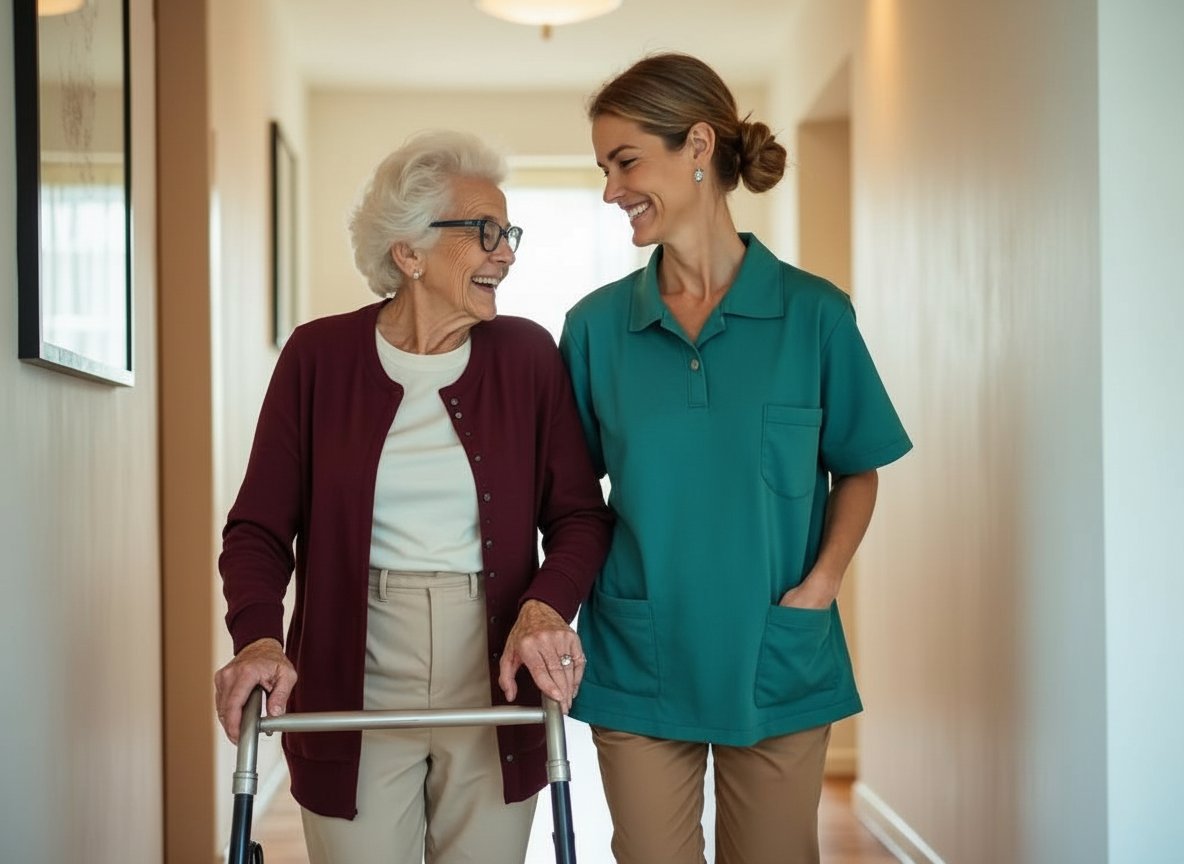
The Impact of Falls on Seniors
Falls are dangerous—but understanding the risks is the first step to prevention.
Seniors fall each year in the US
Source: CDCEmergency visits annually for senior falls
Source: CDCOf hip fractures caused by falls
Source: NIHWho fall once will fall again within a year
Source: NCOAWhy Michigan Seniors Face Higher Fall Risks
Michigan's climate creates a uniquely dangerous fall environment for seniors. The state's notorious freeze-thaw cycles—where temperatures swing above and below freezing multiple times per week from November through March—create persistent black ice on driveways, sidewalks, and front steps. Oakland County EMS responds to an average of 340 fall-related calls per month during winter, with seniors over 75 accounting for more than half of those emergencies.
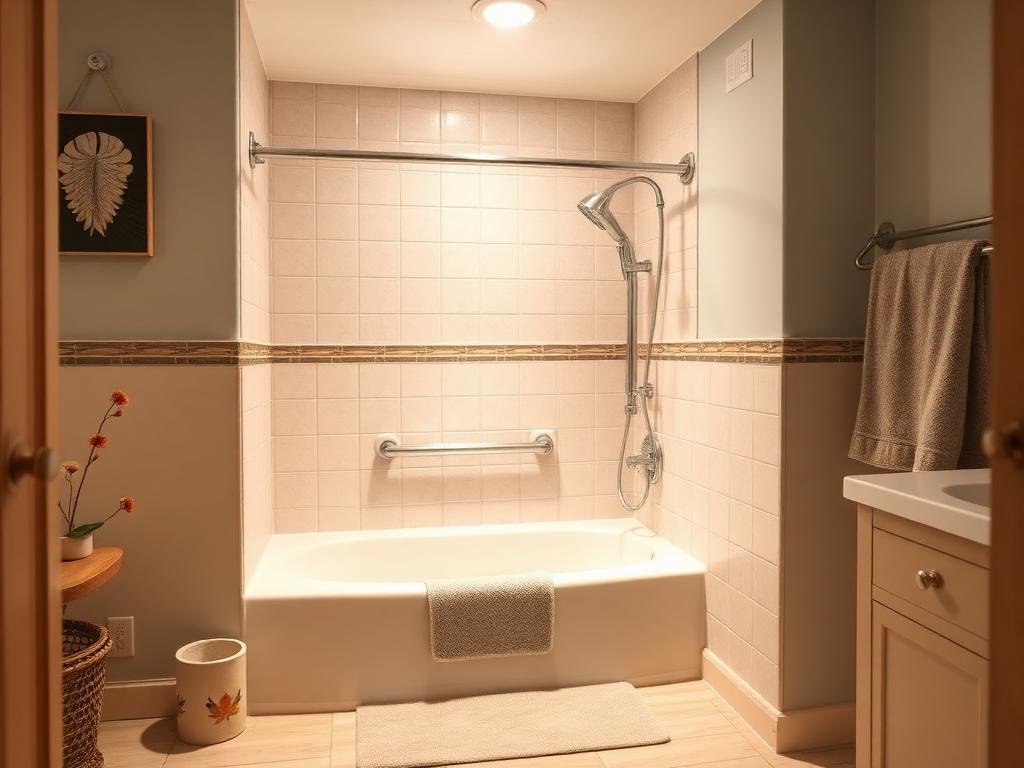
But outdoor ice isn't the only culprit. Many of Southeast Michigan's homes were built in the 1950s through 1970s—before accessibility was a design consideration. Raised ranch homes with split-level staircases, sunken living rooms, narrow hallways, and bathtubs without built-in grab bars are the norm in communities like Farmington Hills, Livonia, and Sterling Heights. Beaumont Health's fracture prevention program has documented that more than 60% of senior falls in the region happen inside the home, often in bathrooms and on interior stairs.
A professional caregiver doesn't just help after a fall—they help prevent the fall from happening. Our caregivers conduct informal home safety assessments, identify hazards like loose throw rugs on hardwood floors, and provide steady arm support during the most dangerous daily transitions: getting out of bed, stepping into the shower, and navigating stairs.
Common Fall Risk Factors
Understanding risk factors helps you take targeted action to prevent falls.
Physical Risk Factors
- •Muscle weakness
- •Balance problems
- •Vision impairment
- •Foot pain or improper footwear
- •Previous falls
Medical Risk Factors
- •Blood pressure issues
- •Medications causing dizziness
- •Arthritis or joint problems
- •Cognitive impairment
- •Vitamin D deficiency
Environmental Hazards
- •Loose rugs or clutter
- •Poor lighting
- •No grab bars in bathroom
- •Slippery floors
- •Uneven surfaces
How Home Care Prevents Falls
Professional caregivers address multiple fall risk factors simultaneously.
Our caregivers provide hands-on assistance with mobility, ensure safe environments, and help seniors maintain strength and balance through daily activities.
Mobility Assistance
Caregivers provide physical support when walking, transferring, or navigating stairs and uneven surfaces.
Exercise Support
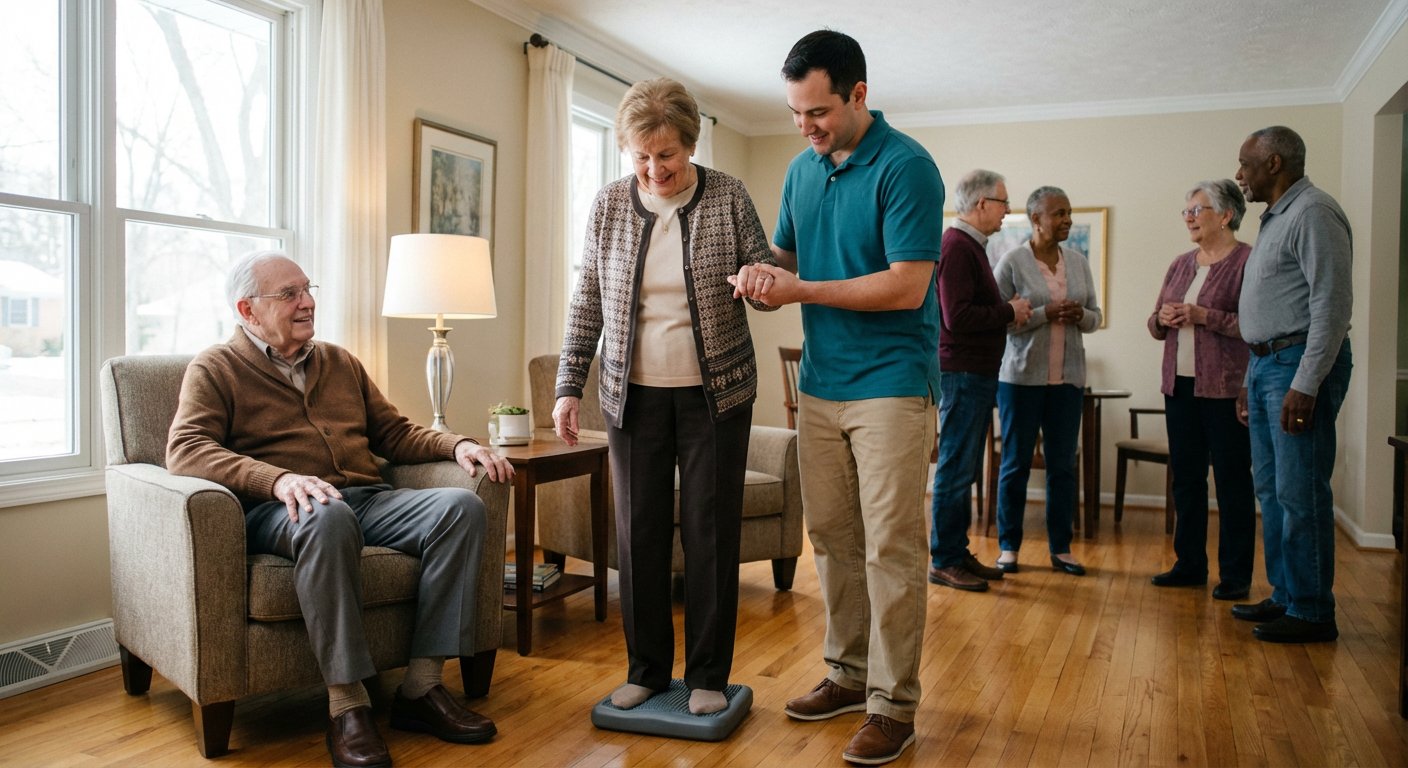
Help with balance and strength exercises prescribed by physical therapists to reduce fall risk.
Home Safety Checks
Identify and address hazards like loose rugs, poor lighting, and missing grab bars.
Medication Management
Monitor for medications that cause dizziness and ensure they're taken safely with food if needed.
Vision & Hearing Support
Ensure glasses are worn, help with eye appointment transportation, and optimize home lighting.
Supervision & Quick Response
Caregivers are present to prevent falls and respond immediately if one occurs.
Home Safety Checklist
Frequently Asked Questions
What causes falls in elderly people?
+
Common causes include muscle weakness, balance problems, vision issues, medication side effects, home hazards like loose rugs, chronic conditions, foot problems, and improper footwear. Most falls result from a combination of these risk factors.
How can I make my parent's home safer to prevent falls?
+
Install grab bars in bathrooms, remove loose rugs, ensure good lighting throughout, clear clutter from walkways, secure electrical cords, add non-slip mats in tubs, consider stair rails, and remove low furniture that's easy to trip over.
How can a caregiver help prevent falls?
+
Caregivers provide mobility assistance, help with exercises to build strength and balance, ensure proper footwear, manage medications that cause dizziness, accompany seniors on walks, and identify and correct home hazards.
What should I do if my elderly parent falls?
+
Stay calm and check for injuries. Don't move them if you suspect a broken bone. If they're not injured, help them get up slowly using a sturdy chair. Always report falls to their doctor—even minor ones—as they may indicate underlying issues.
What exercises help seniors prevent falls?
+
Balance exercises like standing on one foot, heel-to-toe walking, and tai chi. Strength exercises for legs and core. Walking programs. Physical therapy-prescribed exercises. Always consult a doctor before starting an exercise program.
FAQ
Common Questions
Are You in One of These Situations?
We have specific guidance for families going through these common scenarios.
Protect Your Loved One from Falls
Our trained caregivers provide the supervision and support seniors need to stay safe at home. Schedule a free consultation to learn more.