
My Parent Is Living Alone & It's Not Safe
You can tell things aren't right. The signs are small at first — a burned pot, expired food, missed medications — but they add up. A focused fall prevention walkthrough plus a few post-discharge safety checks can keep a small worry from becoming a 911 call. You don't want to wait for a crisis. Here's what to do now.
5 min read
Who this guide is for: Adult children concerned about a parent's safety, long-distance family members who can't check in daily. And anyone noticing warning signs that their parent needs more support at home.
How to Assess Your Parent's Safety
Act before a crisis happens. These steps help you evaluate the situation and respond with care.
Visit and observe — don't just call
Phone conversations hide a lot. Visit your parent and look for warning signs: spoiled food, unpaid bills, dirty laundry, burned pots, medication bottles with wrong counts.
Have a compassionate conversation
Don't lead with "you can't live alone." Instead, try "I noticed the fridge is empty — are you having trouble getting to the store?" Ask questions, listen, and meet them where they are.
Do a home safety check
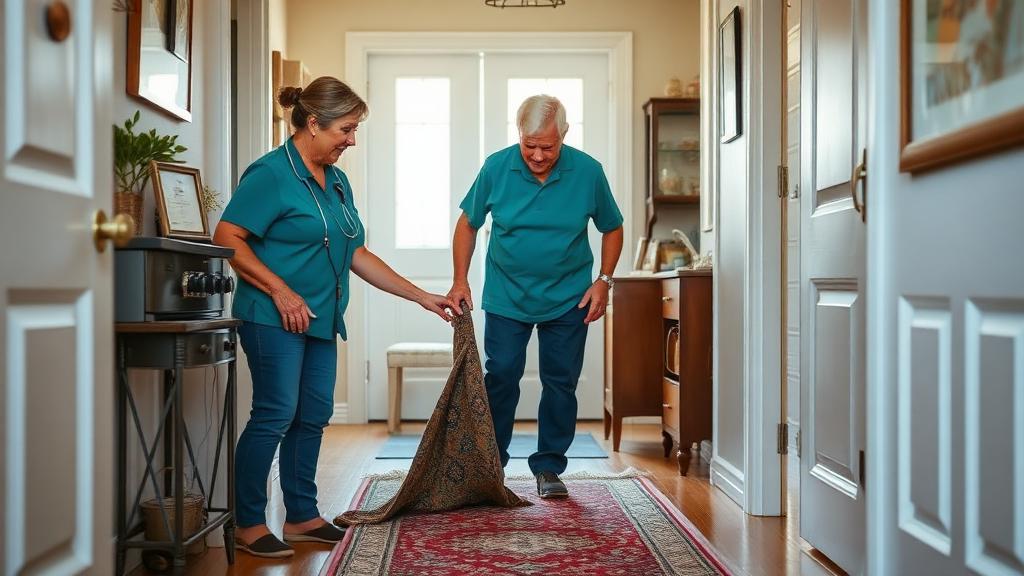
Walk through the home looking for hazards: loose rugs, poor lighting, clutter in walkways, items stored too high or too low, bathroom without grab bars.
Start with small support
Even a few hours of help each week can make a dramatic difference in safety and quality of life — without your parent feeling like they're losing their independence.

The Reality of Aging Alone in Southeast Michigan
More than 330,000 Michigan residents over age 75 live alone, according to U.S. Census data. In the suburban communities we serve. Troy, Rochester Hills, Bloomfield Township, Sterling Heights, Shelby Township — adult children often describe the same moment: driving home from a visit and thinking, "Something isn't right." The house that was always spotless now has dishes piling up. The fridge that was always stocked has expired milk and nothing fresh.
Oakland County's Area Agency on Aging reports a steady increase in calls from families concerned about an elderly parent's ability to live independently. But many families wait — sometimes months — hoping the situation will improve on its own. It rarely does. By the time a parent falls, gets lost driving on Woodward Avenue, or ends up in the ER at Beaumont or Providence. The crisis could have been prevented with even a few hours of weekly support.
What we see in families across Macomb and Oakland counties is that the biggest barrier isn't cost or availability — it's the conversation itself. Most parents resist the idea of "needing help" because they equate it with losing independence. But families who frame it as "someone to help with the house" or "a companion to run errands with" find that their parent not only accepts the help but genuinely looks forward to it within a few weeks.
How Home Care Keeps Your Parent Safe at Home
The right support preserves independence while preventing emergencies.
Regular Check-Ins
A caregiver visits on a schedule — making sure your parent is eating, taking medications, and staying safe. This catches problems early, before they become emergencies.
Home Safety & Upkeep
Light housekeeping, organizing, removing hazards, and maintaining the home so your parent can move safely and comfortably.
Companionship
Loneliness is one of the biggest risks for seniors living alone. A caregiver provides meaningful social interaction, activities, and engagement.
Peace of Mind for You
Knowing someone is regularly checking on your parent lets you worry less and sleep better — whether you live nearby or far away.
What to Expect — From Concern to Confidence
Here's how the process typically works.
You call us
We discuss your concerns and help you figure out the right level of support.
Introduction visit
A matched caregiver visits your parent. We frame it casually — a friendly helper, not a medical intervention.
Building comfort
Your parent starts looking forward to visits. The caregiver learns their preferences, routines, and personality.
Safe and connected
The home is safer, your parent is eating better and engaging more, and you know someone is looking after them.
FAQ
Common Questions About a Parent Living Alone
What families ask when they're worried about safety

24-Hour & Live-In Care Near You
Find 24-hour & live-in care services in specific communities across Southeast Michigan.
Exploring All Your Options?
Weighing whether to move your parent or keep them home with professional support? See costs and care levels compared.
Don't Wait for a Crisis
The best time to start is before something goes wrong. Call us to talk through your concerns — we'll help you find the right level of support.