
Home Health Care vs. Home Care: What Michigan Families Need to Know
Last Reviewed by Austin Adair · April 2026
Home health care is short-term, Medicare-paid skilled nursing or therapy ordered by a doctor. Home care is ongoing non-medical help with bathing, meals, mobility, and companionship — paid privately. Most Michigan families end up needing both.
6 min read
Home Health Care vs. Home Care: A Quick Comparison
| Category | Home Health Care | Home Care |
|---|---|---|
| Type of care | Medical / skilled | Non-medical |
| Provider | RN, PT, OT, SLP | Trained caregiver |
| Doctor's order | Required | Not required |
| Medicare covered | Yes (short-term) | No |
| Duration | Weeks (episode-based) | Ongoing — weeks to years |
| Services | Wound care, IV therapy, PT, injections | Bathing, meals, companionship, errands |
| Flexibility | Set visit schedule | 4 hrs/week to 24/7 live-in |
| Cost | Covered by insurance | Private pay (see Metro Detroit averages below) |

What Is Home Health Care?
Home health care is medical care delivered in your home by licensed healthcare professionals. It requires a doctor's order, and Medicare covers it when you meet specific criteria: you must be "homebound," need skilled nursing or therapy. And have a documented plan of care.
Services include wound care, IV therapy, injections, physical therapy, occupational therapy, speech-language pathology, and medical social work. Home health care is organized in 60-day episodes — it's designed to be short-term, ending once the skilled need is met.
In Southeast Michigan, home health care is provided by organizations like Corewell Health (formerly Beaumont) Home Health, Henry Ford Home Health, and University of Michigan Home Care. Your doctor or hospital discharge planner will typically arrange a referral.
Important: Affordable Home Care does NOT provide home health care.
We are a non-medical home care agency. If you need skilled nursing or physical therapy, ask your doctor for a home health referral. If you need help with daily activities, companionship, or safety — that's what we do.
What Is Home Care? (What We Provide)
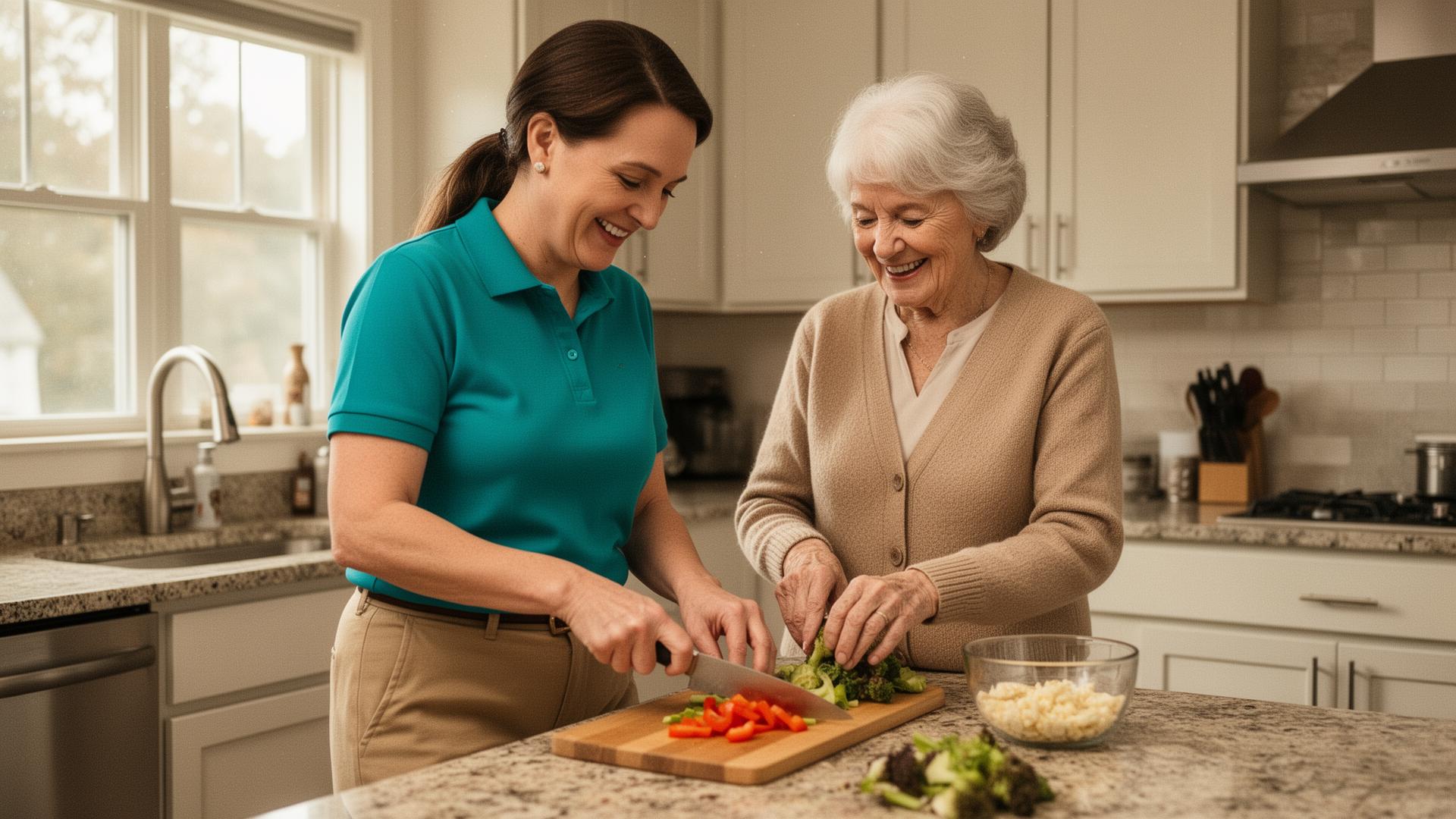
Home care — also called non-medical home care or personal care — is the ongoing, day-to-day support that helps seniors live safely and comfortably at home. No doctor's order is needed, and you can start as quickly as the same day you call.
Our caregivers help with bathing, dressing, grooming, meal preparation, medication reminders, light housekeeping, transportation to appointments, companionship, and safety supervision. Care is completely flexible: from 4 hours a week to 24/7 live-in care.
Metro Detroit agency averages (2026):
Use our cost calculator to estimate what home care would cost for your specific situation, or contact us for a free, no-obligation consultation.
Which Service Does Your Family Actually Need?
If you're searching for "home health care near me," here's how to figure out which service fits your situation.
You need home health care if…
- Your loved one needs wound care, IV therapy, or injections at home
- A doctor has ordered skilled nursing or physical therapy
- They were recently hospitalized and need medical follow-up
Ask your doctor for a referral
You need home care if…
- They need help bathing, dressing, or getting around safely
- They need companionship, meal prep, or medication reminders
- They're safe at home but can't manage everything alone
You may need both if…
- They're recovering from surgery or a hospital stay
- They need medical follow-up AND daily living support
- Home health ends but they're not fully independent yet
Can You Use Home Health Care and Home Care at the Same Time?
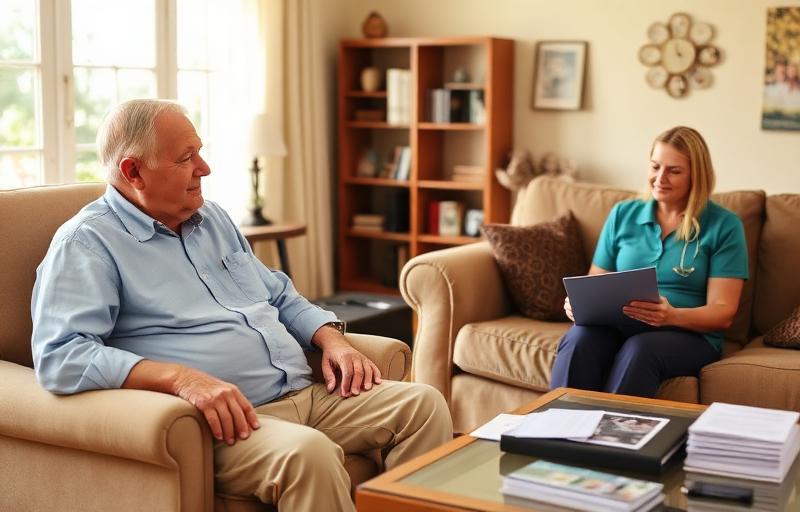
Yes — and many families do. A common scenario: Medicare home health sends a nurse 2–3 times per week for wound care or physical therapy after surgery. While a home care aide provides daily help with bathing, meals, medication reminders, and transportation to follow-up appointments. The medical side handles the clinical recovery; the home care side handles everything else.
This complementary model is especially effective after a hospital discharge, surgery, or stroke — when the person is medically stable but far from independent. Medicare home health is temporary; home care can continue for as long as your loved one needs support.
"My parent is leaving rehab — the facility said to get 'home health care.' Do I really need that?"
This is one of the most common mix-ups we see. When a senior is discharged from a rehab center or skilled nursing facility, the discharge planner often recommends "home health care." Sometimes that's exactly right — if your loved one still needs skilled nursing visits, wound care, or physical therapy at home, Medicare home health is appropriate.
But in many cases, what the family actually needs is home care — non-medical support to help with the daily activities that the rehab facility was handling: bathing, dressing, meal preparation, medication reminders. And safe mobility around the house. The person may be medically stable but not yet independent enough to manage alone.
Even experienced facility staff sometimes use "home health" as a catch-all term when they really mean "help at home." The difference matters because Medicare home health is short-term (weeks), visit-based. And ends when skilled need is met. Home care can start the same day, runs as many hours as you need. And continues for as long as your loved one needs support — weeks, months, or years.
Many families use both: home health for the clinical follow-up, and home care for everything else. If your parent is being discharged from rehab and you're not sure which service they need. Call us at 248-419-5010 — we'll help you sort it out in five minutes.
FAQ
Common Questions About Home Health Care vs. Home Care
Answers to the questions families ask most when searching for home health care near me.
Not Sure Which Service You Need?
Call us at 248-419-5010 or use our cost calculator — we'll help you figure out whether you need home health care, home care, or both. No pressure, no obligation.
Related Situations
These guides address the most common scenarios where families confuse home health care and home care.