
Home Care vs. Memory Care in Michigan
When a loved one has Alzheimer's or dementia, families face an agonizing choice: keep them in the familiar comfort of home with specialized 1:1 dementia care, or move them to a secured facility designed for cognitive decline. Both options have real strengths — and real costs.
Data sources: Genworth 2024, CMS, ~50 SE Michigan facility reviews, Caring.com
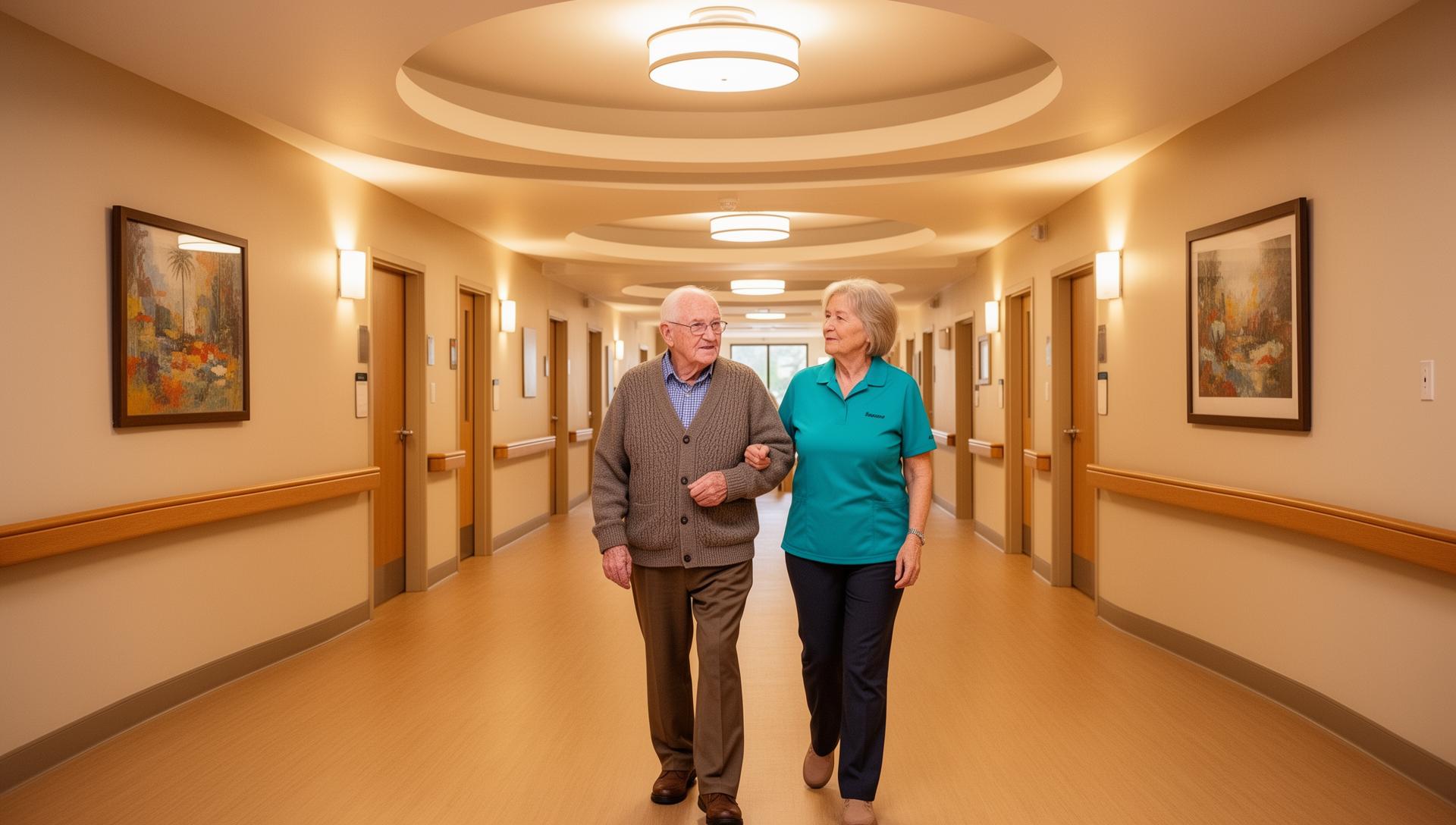
Specialized Home Care (20 hrs/wk)
$3,000–$3,600/mo
Staffing Ratios
Day: Just your caregiver — undivided attention
Night: Same caregiver, same focus
Your own home, familiar surroundings
Memory Care Facility (avg)
$7,000–$8,500/mo
Staffing Ratios
Day: 1 caregiver per 4–8 residents
Night: 1 per 8–12 (awake staff)
40–80 residents
Live-In Home Care
$12,000–$15,000/mo
Staffing Ratios
Day: Dedicated to you — nobody else
Night: Right down the hall, on-call
Your own home, 24/7
Memory Care (high-end)
Up to $14,000/mo
Staffing Ratios
Day: 1 caregiver per 4–6 residents
Night: 1 per 6–8 (awake staff)
20–40 residents
The Dementia Care Dilemma
Research consistently shows that familiar environments reduce agitation and confusion in people with dementia. The Alzheimer's Association notes that routine and familiarity are among the most powerful tools for managing behavioral symptoms.
However, safety is non-negotiable. When wandering risk escalates or combative behaviors emerge, the structured security of a memory care facility — locked exits, circular hallways, 24/7 awake staff — may become essential.
The honest answer: many families start with home care and transition to a facility as the disease progresses. This isn't failure — it's responsive care planning.
Side-by-Side Comparison
| Category | Home Care | Memory Care Facility |
|---|---|---|
| Setting | Familiar home environment | Purpose-built secured facility |
| Caregiver ratio | 1:1 — always dedicated | 1:4–8 (day) · 1:8–12 (night) |
| Monthly cost (part-time) | $3,000–$5,000/mo (specialized, 20 hrs/wk) | $5,500–$14,000/mo (all-inclusive) |
| Monthly cost (24/7) | $12,000–$15,000/mo (live-in) | $7,000–$8,500/mo (avg) |
| Wandering prevention | 1:1 supervision + home modifications | Locked exits, alarms, circular hallways |
| Familiar environment | Own home, own belongings, own routine | New environment (adjustment period) |
| Specialized programming | Caregiver-led activities, personalized | Music therapy, sensory gardens, structured |
| Consistency | Same caregiver builds deep trust | Rotating shifts, multiple staff |
| Night supervision | Live-in caregiver (sleeps overnight) | Awake staff 24/7 |
| Behavioral management | 1:1 redirection | Trained team approach |
| Family involvement | Unlimited — you're in your own home | Visiting hours and policies apply |
| Medicaid coverage | MI Choice Waiver (limited) | Very limited (spend-down required) |
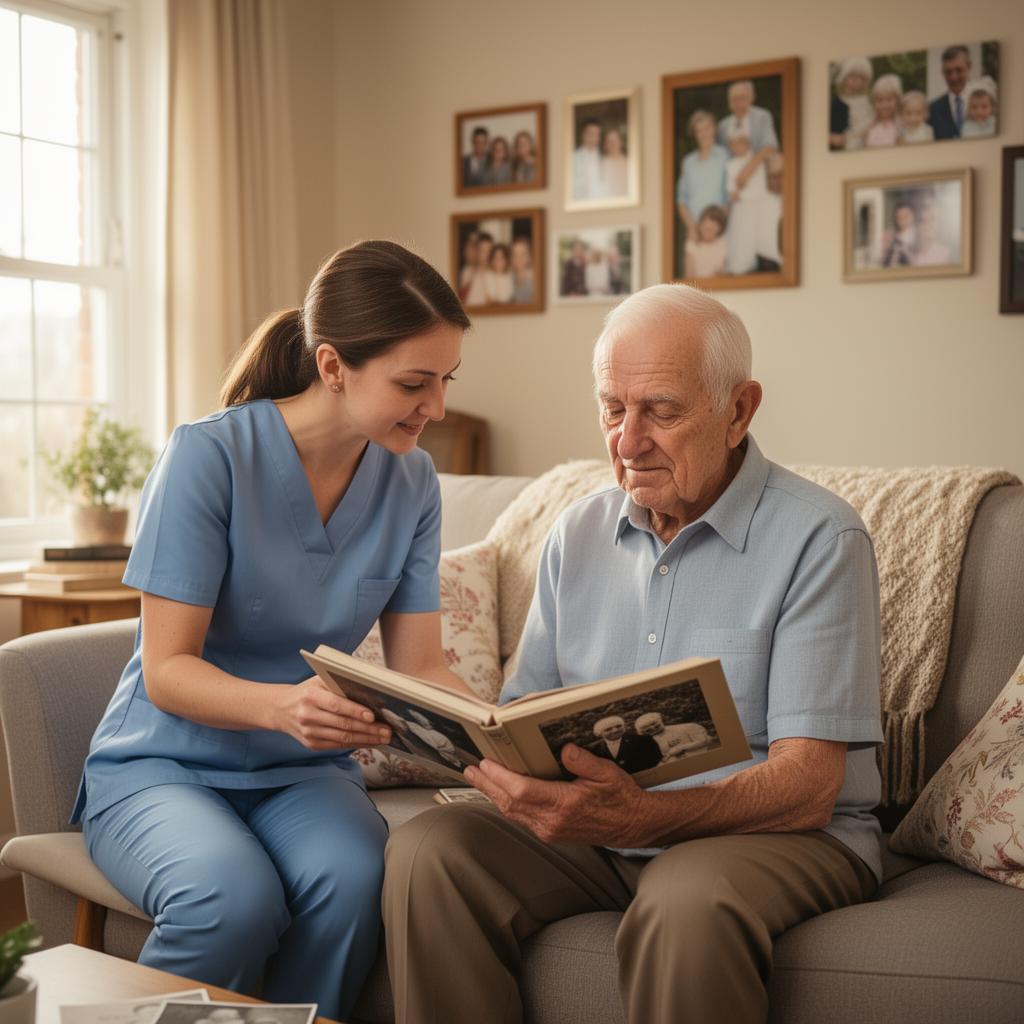
Familiarity Is Powerful Medicine
Research shows familiar environments reduce agitation in dementia patients. At home, surrounded by their own photos, their own furniture, and their own routines, your loved one stays connected to who they are — with a dedicated caregiver who knows them deeply.
What Families Actually Say About Memory Care
Based on ~50 memory care facility reviews across Southeast Michigan. Average rating: 4.2/5 — but highly polarized.
What Families Appreciate
Specialized programming
"The staff knows exactly how to redirect my husband when he gets agitated." Music therapy, sensory gardens, and reminiscence programs receive high praise.
Safety and security
"I can finally sleep at night knowing she can't get out." Secured environments with alarm systems provide enormous peace of mind for families.
Staff patience and training
Top-rated facilities (Pomeroy Sterling Heights: 4.9/5, Sunrise West Bloomfield) are praised for dementia-specific training and genuine affection.
Common Concerns
Extreme cost
"We're burning through $100,000/year and there's no help." At $7,000–$14,000/mo with almost no public funding, families report depleting savings in 1–3 years.
Decline as disease progresses
"They said they can no longer handle him." Some facilities are equipped for early-moderate dementia but ask families to transfer to SNF as needs increase.
Emotional toll of visiting
Many reviews describe the heartbreak of visiting loved ones who no longer recognize them in an unfamiliar institutional setting.
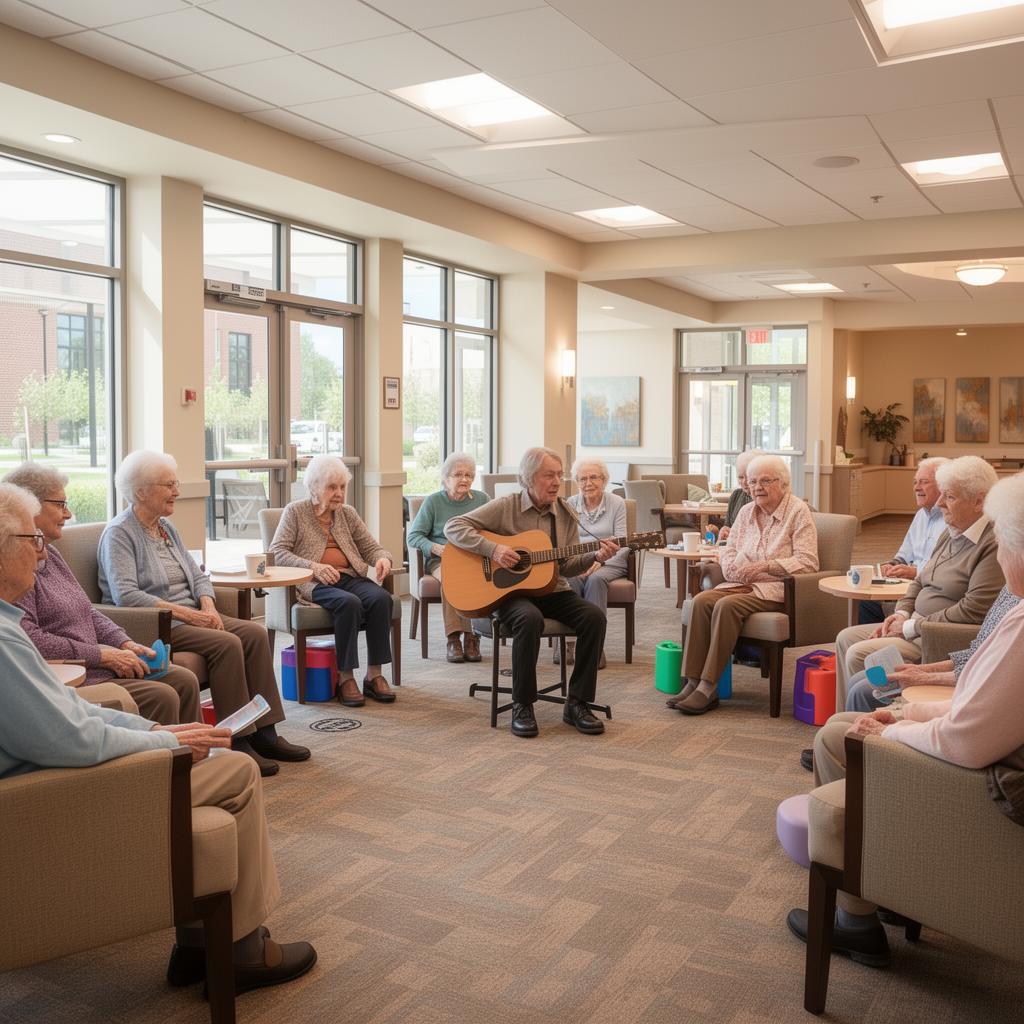
What Memory Care Facilities Offer
Top-rated memory care facilities provide structured group programming — music therapy, sensory gardens, and reminiscence activities — designed specifically for cognitive engagement. These programs can be genuinely beneficial, especially for residents who respond well to social stimulation.
Care by Dementia Stage
Early Stage
Occasional forgetfulness, mostly independent
Recommended:
Companion home care (4–8 hrs/day)
$1,200–$2,200/mo
Middle Stage
Memory issues, needs supervision, may wander
Recommended:
Specialized home care (6–10 hrs/day) OR memory care facility
$4,000–$8,500/mo
Late Stage
Full assistance needed, may be combative
Recommended:
Live-in home care OR memory care facility
$7,000–$15,000/mo
When Each Option Is Better
Choose Home Care When…
- Early-to-moderate dementia with manageable symptoms
- Familiar environment visibly calms your loved one
- 1:1 consistent caregiver relationship matters most
- Part-time care needs (budget under $5,000/mo)
- Family can supplement care during off-hours
- Home can be modified for safety (locks, alarms)
Choose Memory Care When…
- Wandering is a serious, ongoing safety risk
- Aggressive or combative behaviors put people at risk
- 24/7 awake staff supervision is required
- Your loved one responds well to structured group activities
- No family available to supplement care
- Budget supports $7,000+/mo facility costs
Need Help Deciding?
Every dementia journey is different. We offer free consultations to honestly assess whether home care, memory care, or a combination would best serve your loved one.
FAQ
Frequently Asked Questions
Common questions about home care vs. memory care in Michigan
Memory care facilities in Southeast Michigan typically cost $5,500–$14,000/month, averaging $7,000–$8,500. This is higher than standard assisted living due to secured environments, specialized programming, and better staffing ratios (1:4–8 vs. 1:8–15). Most memory care is private pay. See our cost calculator for home care comparison estimates.
Many people with early-to-moderate dementia can stay safely at home with specialized in-home care. A trained caregiver provides 1:1 supervision, familiar environment benefits, and consistent routines. As dementia progresses, hours can increase from part-time to live-in. The key concern is wandering risk, which requires continuous supervision. Learn about our specialized dementia care.
Consider memory care when: wandering is a constant safety risk that even live-in care can't manage; aggressive behaviors put the person or caregiver at risk; the person needs a fully secured environment; or when 24/7 home care costs ($12,000–$15,000/mo) exceed facility costs and the person would benefit from group programming. Contact us for an honest assessment.
Medicare does not pay for memory care. Medicaid coverage is very limited — some facilities accept Medicaid after private-pay spend-down. Long-term care insurance and VA Aid & Attendance (up to ~$2,795/mo for married veterans) can help. Many families spend down savings within 1–3 years. Explore funding options.
Based on our analysis of ~50 memory care facilities in Southeast Michigan: (1) Extreme cost — at $7,000–$14,000/mo with no public funding, families report spending down life savings within 1–3 years; (2) Decline as disease progresses — some facilities ask families to move residents to SNF as needs increase; (3) Emotional toll — the heartbreak of visiting loved ones in an unfamiliar setting compounds the grief of the disease itself.
Are You in One of These Situations?
We have specific guidance for families going through these common scenarios.