
Home Care vs. Skilled Nursing Facility in Michigan
Nursing homes are necessary for complex medical care — but they're also the lowest-rated care setting in every review analysis we've done. At $8,500–$15,000/month, families deserve to know when a skilled nursing facility is truly required and when home care can provide better outcomes at a fraction of the cost.
Data sources: Genworth 2024, CMS, Michigan LARA, ~100 SNF facility reviews
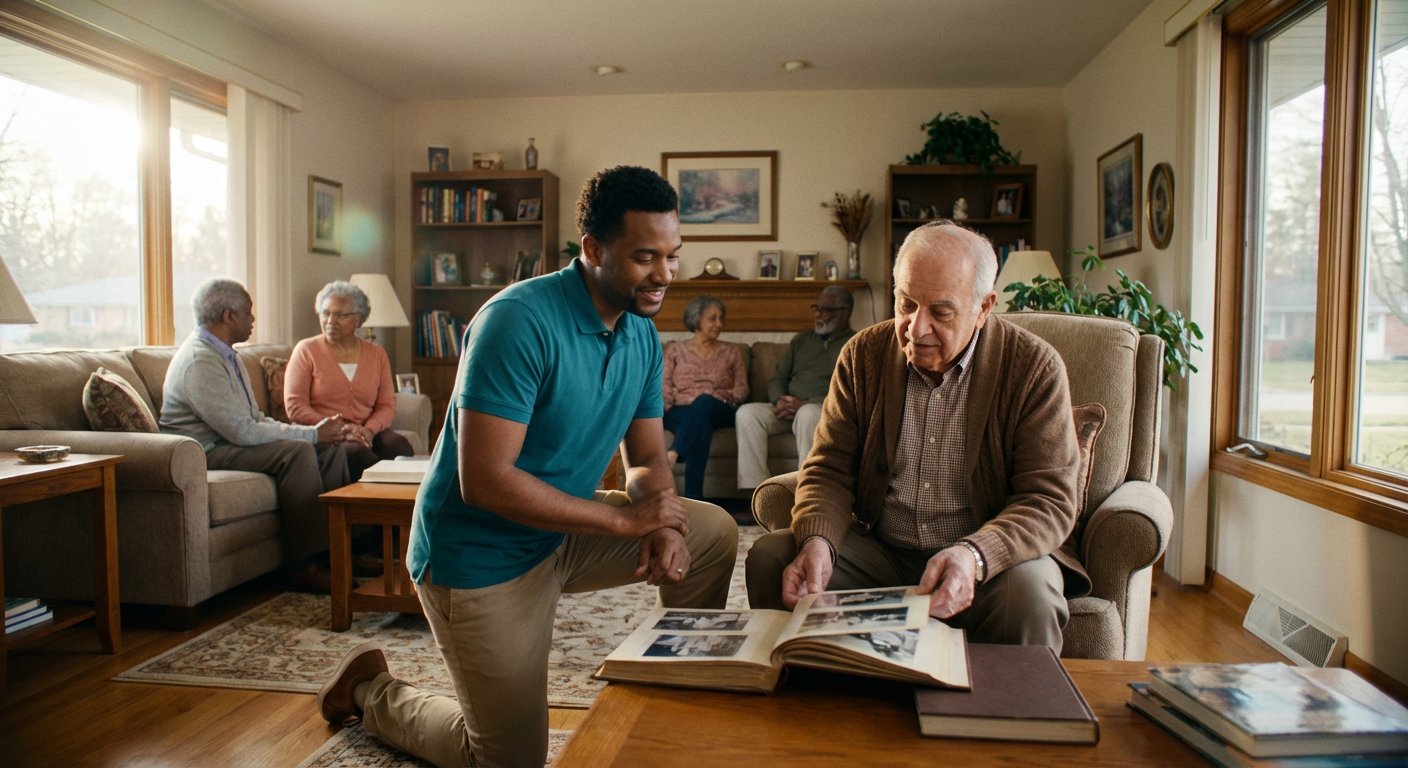
Home Care (20 hrs/wk)
$2,300–$3,200/mo
Staffing Ratios
Day: Just your caregiver — all eyes on you
Night: Same caregiver, same attention
Your own bed, your own rules
SNF Semi-Private
$8,500–$11,500/mo
Staffing Ratios
Day: 1 nurse+CNA per 5–8 residents
Night: 1 per 15–20 (chronic complaints)
60–200 beds per facility
SNF Private Room
$10,000–$20,000/mo
Staffing Ratios
Day: Same ratios as semi-private
Night: Same overnight — just your own room
Same facility, premium room
Live-In Home Care
$12,000–$15,000/mo
Staffing Ratios
Day: Dedicated to you — nobody else
Night: Right down the hall, on-call
Your own home, 24/7
Side-by-Side Comparison
| Category | Home Care | Skilled Nursing Facility |
|---|---|---|
| Setting | Your own home — familiar and comfortable | Medical facility with shared or private rooms |
| Caregiver ratio | 1:1 — always | 1:5–8 day · 1:10–15 evening · 1:15–20 overnight |
| Monthly cost | $2,300–$3,200/mo (20 hrs/wk) | $8,500–$15,000/mo |
| Medical capabilities | Non-medical care (can pair with home health) | Full skilled nursing, IV, wound care, ventilator |
| Rehabilitation | Home health PT/OT visits + caregiver support | On-site PT/OT/SLP with full gym |
| Average review rating | 4.6–4.7/5 across platforms | 3.4/5 — lowest of any care category |
| Meals | Personalized, home-cooked favorites | Institutional — universally criticized in reviews |
| Personal autonomy | Full control over schedule and activities | Rigid schedule, shared rooms, limited privacy |
| Social interaction | Caregiver + community outings | Fellow residents + limited activity programming |
| Medicare coverage | MI Choice Waiver (non-medical) | Days 1–20: 100% · Days 21–100: copay |
| Medicaid coverage | MI Choice Waiver | Primary long-term funder after spend-down |
| Call light response | Instant — caregiver is right there | 30–60+ minutes commonly reported |
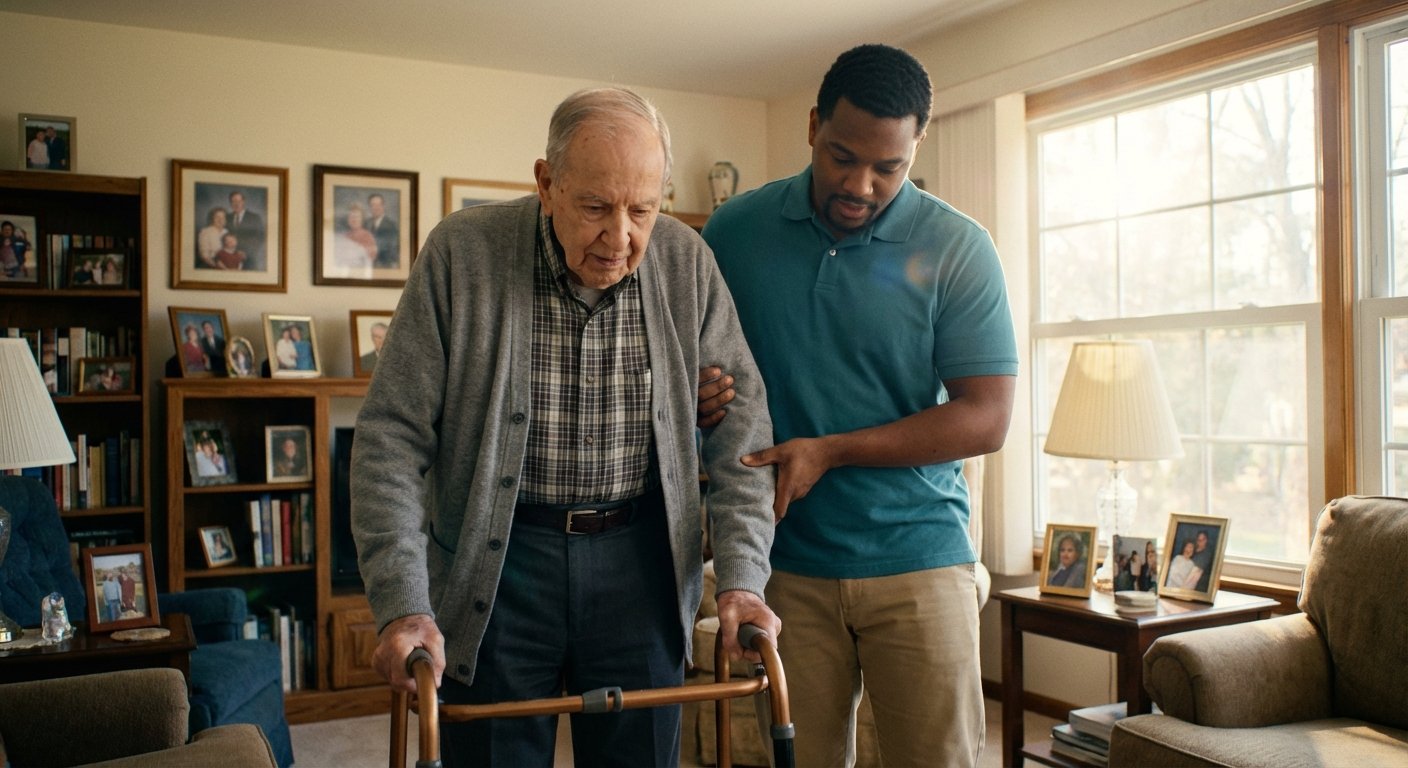
Recovery Happens Better at Home
Research consistently shows that patients recovering from surgery or stroke do better in familiar environments. With home health providing the clinical visits and a home caregiver handling daily support, many families avoid nursing home stays entirely — at less than a third of the cost.
What Families Actually Say
Based on ~100 SNF facility reviews across Google, Caring.com, and Reddit in Southeast Michigan. Average rating: 3.4/5 — the lowest of any care category.
What Works at SNFs
Post-acute rehab success
"Dad went in unable to walk and came out using a walker independently." Short-stay rehab reviews are significantly more positive than long-term care reviews.
Specialized medical capability
"No other facility could handle his trach care." For complex medical needs, SNFs are sometimes the only option.
Individual staff dedication
"Despite the facility's problems, his night nurse Sarah was an angel." Even in poorly-reviewed facilities, individual caregivers are praised.
Common SNF Concerns
Chronic understaffing
The #1 complaint. Call lights unanswered 30–60+ minutes, residents left in soiled beds, missed medications. "Finding a good one feels impossible."
Poor food quality
"The food is barely edible." Institutional food is universally criticized across both budget and premium facilities.
Loss of dignity
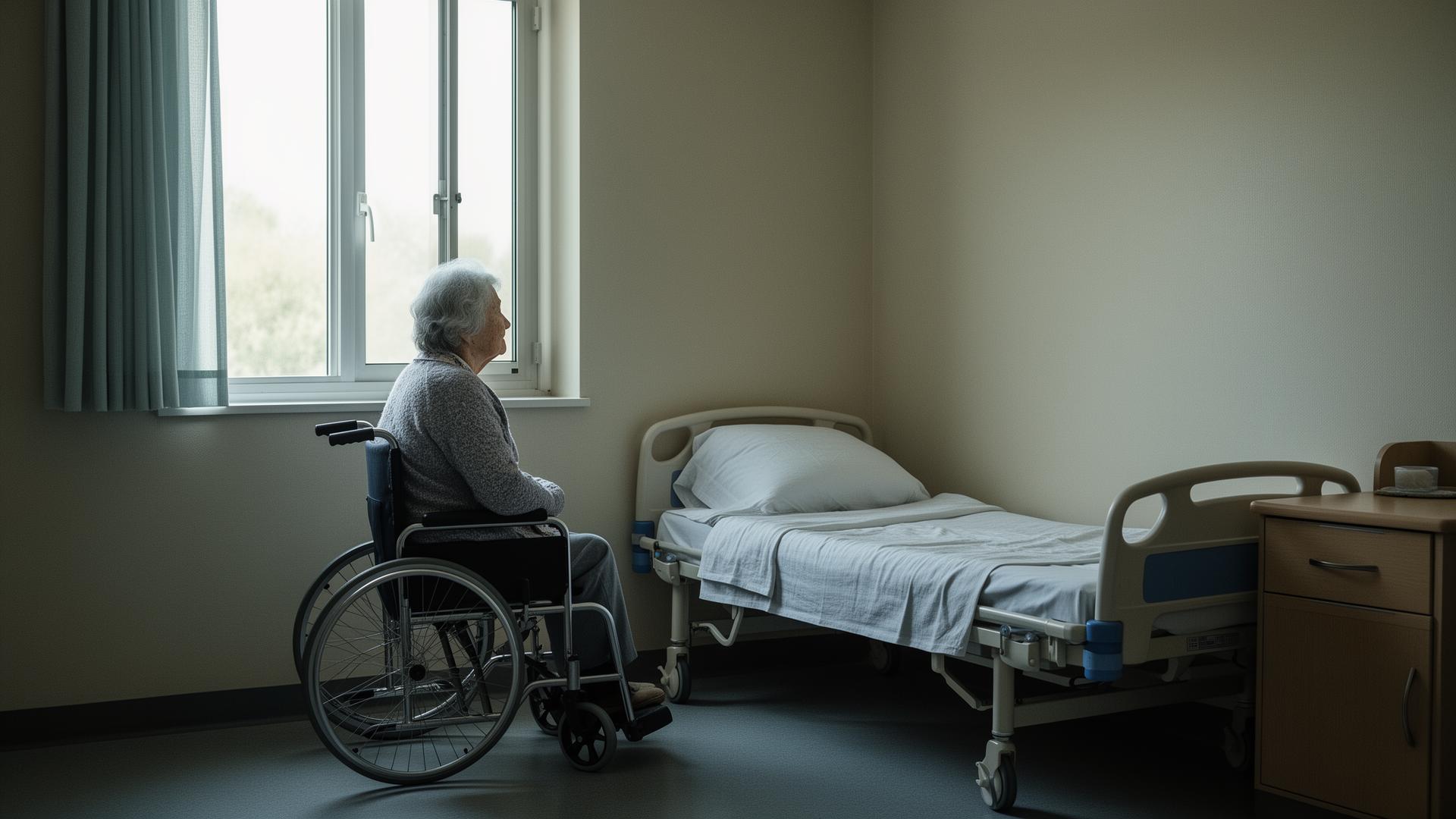
"My mother went from a vibrant person to someone who just sits in a wheelchair staring at a wall." Shared rooms, rigid schedules, loss of autonomy.
SNF reviews consistently include: "I wish we had known about home care options earlier" and "If we could do it over, we would have kept him at home with caregivers."
The Environment Matters
The institutional environment of nursing homes — shared rooms, fluorescent lights, rigid schedules — is the #1 driver of families seeking alternatives. For seniors who don't need continuous skilled medical care, staying home with a dedicated caregiver preserves dignity, autonomy, and quality of life.
When Each Option Is Better
Choose Home Care When…
- Care needs are non-medical (personal care, companionship)
- Recovering from surgery and want to rehab at home
- Quality of life and personal dignity are priorities
- Budget is a concern (home care costs 1/3 of SNF)
- 1:1 attention matters more than on-site medical staff
- Home health can provide the medical visits needed
Choose a Nursing Home When…
- Continuous skilled nursing is medically required
- Complex medical needs (IV, ventilator, wound care)
- Intensive post-acute rehab with on-site PT/OT gym
- Medicaid is the primary funder after spend-down
- Short-term rehab stay (Medicare covers days 1–100)
- End-stage disease requiring 24/7 medical monitoring
Exploring Alternatives to a Nursing Home?
Many families discover home care after a difficult nursing home experience. If your loved one doesn't require continuous skilled medical care, we can help you explore home-based alternatives — honestly.
FAQ
Frequently Asked Questions
Common questions about home care vs. skilled nursing facilities in Michigan
A skilled nursing facility is necessary when someone requires continuous skilled medical care — IV therapy, wound care, ventilator support — or intensive rehabilitation. If the primary need is supervision, personal care, or companionship, home care or assisted living is almost always better. Many families don't realize that post-surgical rehab can be done at home with home health visits plus a home care caregiver.
In Southeast Michigan: $8,500–$11,500/mo for semi-private, $10,000–$20,000/mo for private. That's $102,000–$240,000 per year. By comparison, 20 hours/week of home care costs $27,600–$38,400/year — less than a third of the cost. Calculate your home care costs.
Medicare Part A covers SNF care for up to 100 days after a qualifying 3-day hospital stay. Days 1–20 are 100% covered. Days 21–100 require a ~$204.50/day copay. After 100 days, coverage ends. Long-term nursing home care is primarily funded by Medicaid after spend-down. Learn about all funding options.
SNFs have the lowest average rating of any care category at 3.4/5. Based on ~100 facility reviews across SE Michigan, the top complaints are: chronic understaffing (call lights unanswered 30–60+ minutes), poor food quality, and loss of personal dignity. SNF reviews consistently include statements like "I wish we had known about home care options earlier."
In many cases, yes. Medicare-covered home health provides PT, OT, and speech therapy visits at home. Combined with a non-medical home caregiver for daily support (meals, mobility, medication reminders), many post-surgical and post-stroke patients recover successfully at home. The key advantage: rehabilitation in familiar surroundings with 1:1 support. Ask us about post-hospital care.
Are You in One of These Situations?
We have specific guidance for families going through these common scenarios.