
Recovering After a Stroke — You Don't Have to Do This Alone
A stroke changes everything in an instant. But recovery is a marathon, not a sprint — and pairing Medicare-funded home health care with non-medical transitional care at home is what determines how far your loved one can go.
5 min read
Who This Page Is For
- • Adult children whose parent just had a stroke and is coming home from the hospital or rehab facility
- • Spouses who want to help but can't safely manage transfers, exercises, and medications alone
- • Long-distance family members coordinating post-stroke recovery care from out of state
- • Discharge planners at Beaumont, Henry Ford, or Ascension who recommended home care for continued recovery
First Steps for Stroke Recovery at Home
The choices you make in the first weeks shape the entire recovery trajectory.
Understand the recovery plan
Talk to the medical team about your loved one's specific deficits, therapy schedule, medication changes, and what daily assistance they'll need at home.
Prepare the home for recovery
Move frequently-used items within easy reach, add grab bars in the bathroom, clear wide pathways for mobility, and set up a comfortable recovery space on the main floor.
Coordinate therapy and care
Physical therapy, occupational therapy, and speech therapy may all be part of recovery. A caregiver helps reinforce therapy exercises between sessions.
Arrange consistent daily support
Stroke recovery depends on daily practice and routine. A dedicated caregiver provides the consistent support that maximizes improvement.
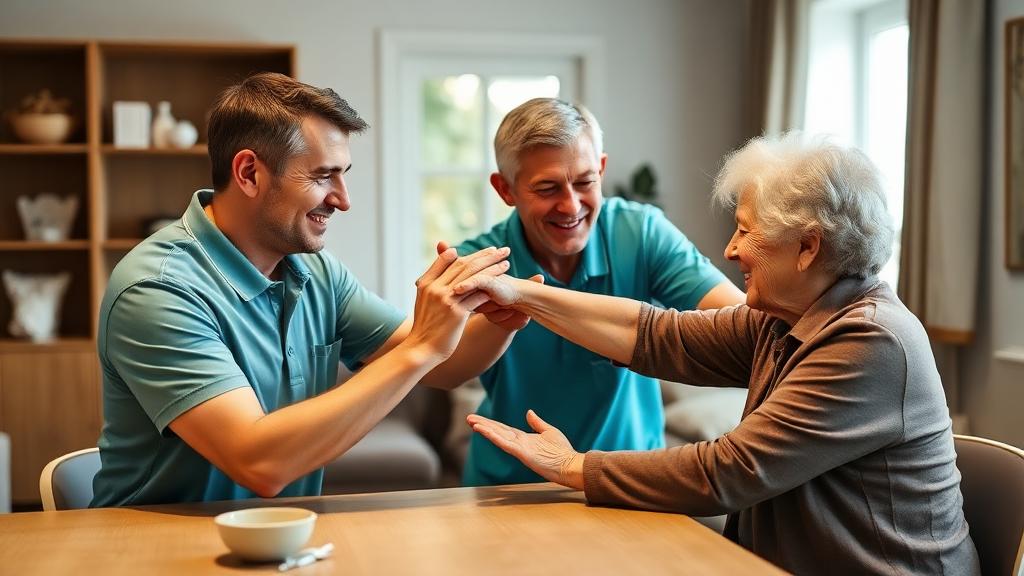
Why Home-Based Stroke Recovery Works in Southeast Michigan
Michigan sees roughly 16,000 strokes every year — and Southeast Michigan hospitals like Beaumont Royal Oak's Comprehensive Stroke Center, Henry Ford's Neuroscience Institute, and Ascension Providence in Southfield are among the best in the Midwest for acute stroke treatment. But the acute phase is only the beginning. After discharge, the real question becomes: who helps with the other 23 hours of the day?
In Oakland and Macomb counties, we've supported dozens of stroke survivors through the critical first months of recovery. The pattern we see is consistent: families who arrange daily caregiver support within the first week home see measurably better outcomes — fewer falls. Better medication adherence, and stronger follow-through on prescribed exercises. A 2024 University of Michigan study found that stroke patients with consistent in-home support were 40% less likely to be readmitted within 30 days compared to those recovering without assistance.
We work closely with outpatient therapy teams across the region — including Beaumont Physical Therapy, Henry Ford Rehabilitation. And the many independent OT and speech therapy practices in Rochester Hills, Troy, and Sterling Heights. Our caregivers reinforce what therapists teach in sessions, turning weekly clinic appointments into daily progress at home.
How Home Care Supports Stroke Recovery
Daily, consistent support is what turns therapy sessions into lasting progress.
Exercise Support
A caregiver helps with prescribed rehabilitation exercises between therapy sessions — the daily practice that drives recovery progress.
Mobility & Safety
Safe transfers, walking assistance, and fall prevention during the period when your loved one is relearning movement and balance.
Emotional Encouragement
Stroke recovery is emotionally challenging. A compassionate caregiver celebrates progress, provides companionship, and helps maintain motivation.
Daily Living Support
Bathing, dressing, meal preparation, and medication management — so your loved one can focus energy on recovery.
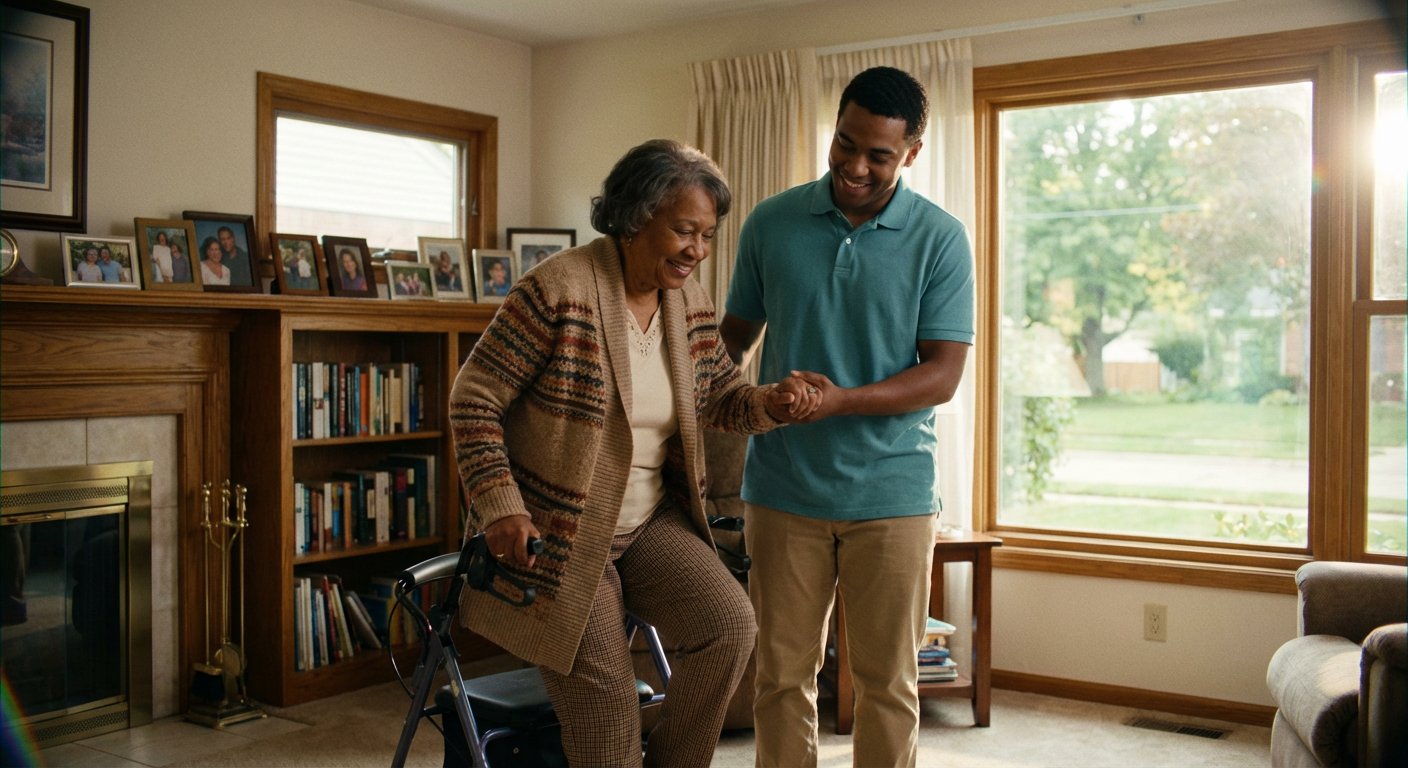
What to Expect — From Hospital to Home Recovery
Here's how the recovery journey typically unfolds with professional support.
Planning begins
We work with you and the medical team to understand care needs and match the right caregiver.
Caregiver ready
Your caregiver is waiting at home, ready to help your loved one settle into their recovery routine.
Intensive support
Daily care supports therapy exercises, medications, meals, and mobility. Progress begins to show.
Building independence
As abilities return, we adjust support. The caregiver celebrates milestones and encourages continued progress.
FAQ
Common Questions About Stroke Recovery Care
What families ask most about home care after a stroke

After-Hospital Care Near You
Find after-hospital care services in specific communities across Southeast Michigan.
Exploring All Your Options?
Many stroke survivors recover better at home with one-on-one support. Compare options side by side.
Every Day of Recovery Counts
The sooner consistent support begins, the better the recovery outcomes. Call us today to start planning your loved one's home care.