
Preparing Your Home for In-Home Care
A simple, practical guide to making your home safe and comfortable before a caretaker arrives — built around fall prevention basics, room by room, with an easy checklist you can start today.
7 min read
Small Changes Make a Big Difference
You don't need a major renovation to make your home safe for in-home care. Most of the changes that matter most are simple, affordable, and can be done in a weekend — a few grab bars here, better lighting there. Removing a throw rug that's been a tripping hazard for years.
This guide walks you through every room with a clear checklist. Focus on the bathroom first (it's the most dangerous room), then work your way through the rest of the home.
Room-by-Room Safety Checklist
Bathroom
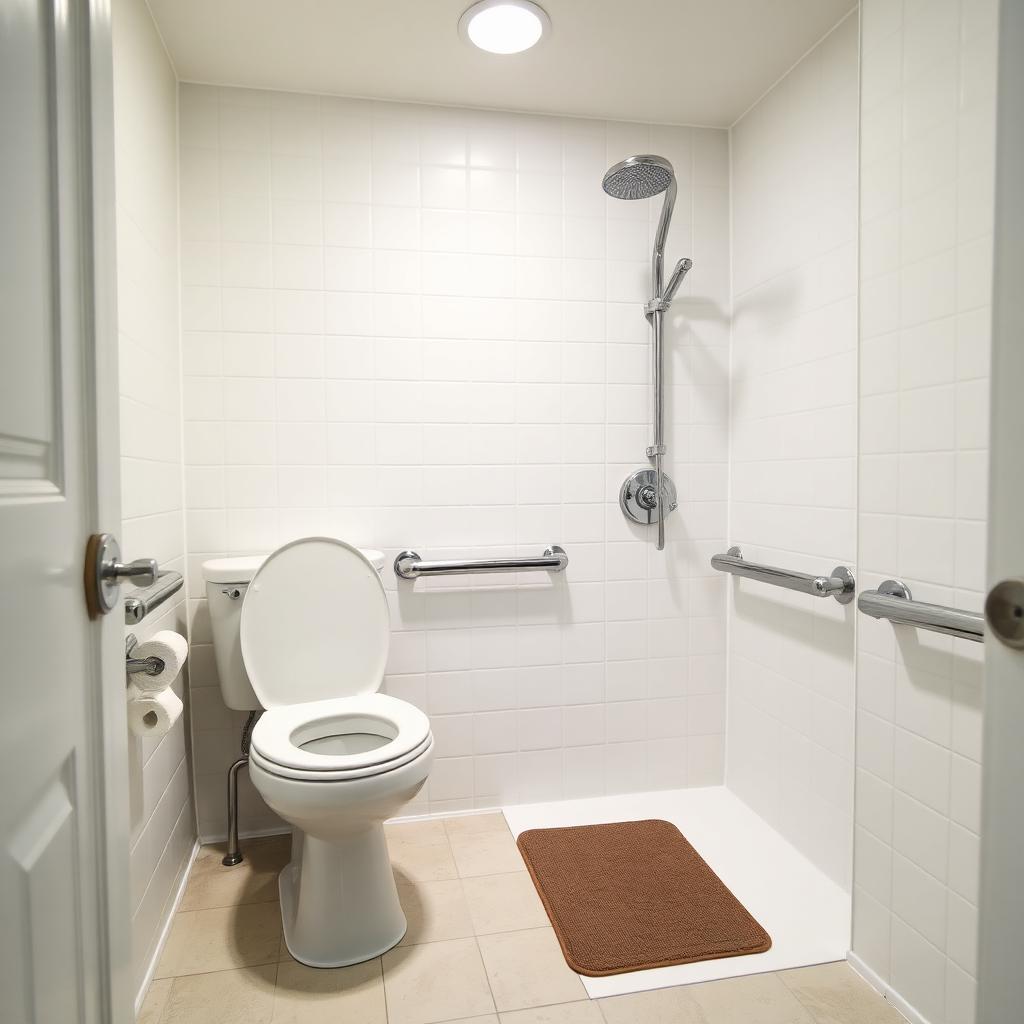
Highest Risk- Install grab bars near toilet and in shower/tub
- Place non-slip mats in shower and on bathroom floor
- Add a shower bench or bath seat
- Install a handheld showerhead
- Ensure bright, shadow-free lighting
- Raise toilet seat if needed (toilet riser)
- Remove glass shower doors (use curtain instead)
Bedroom
High Priority- Ensure bed is at a comfortable height for getting in/out
- Add nightlights between bed and bathroom
- Keep a phone/alert device within reach of bed
- Remove throw rugs and loose cords
- Ensure lamp is reachable from bed without stretching
- Consider a bed rail if needed for stability
Kitchen
Important- Move frequently used items to counter height (no reaching overhead)
- Set up a medication station with pill organizer
- Ensure stove has auto-shutoff or safety knobs
- Add non-slip mats in front of sink and stove
- Keep a fire extinguisher accessible
- Label items clearly if vision is impaired
Hallways & Stairs
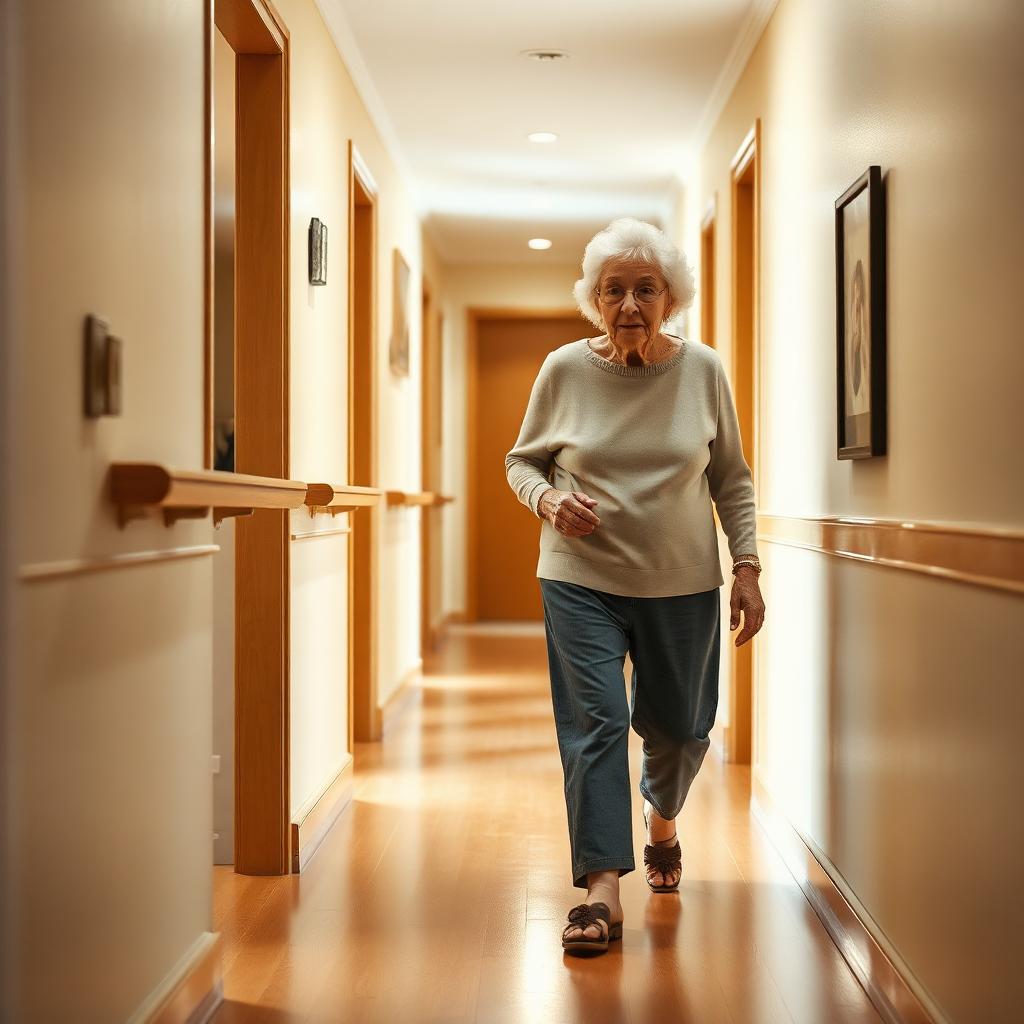
Important- Install handrails on both sides of stairs
- Add bright lighting at top and bottom of stairways
- Remove all throw rugs and clutter from walkways
- Secure all electrical cords against walls
- Add nightlights in every hallway
- Consider a stair lift if stairs are unavoidable
Set Up a Medication Station
One of the most helpful things you can do before care begins is organize medications in one central location. A weekly pill organizer, a clear list of all medications with dosages and timing. And your pharmacy's contact information will help your caregiver provide safe, consistent care from day one.

Lighting Is Everything
Poor lighting is one of the leading causes of falls at home. Make sure every room, hallway, and stairway is well-lit — especially the path between the bedroom and bathroom. Motion-activated nightlights are inexpensive and can prevent dangerous nighttime falls.
Frequently Asked Questions
FAQ
Common Questions
Are You in One of These Situations?
We have specific guidance for families going through these common scenarios.
Ready to Get Started with Home Care?
Our team can help assess your home and create a care plan tailored to your loved one's needs and your home's layout.